
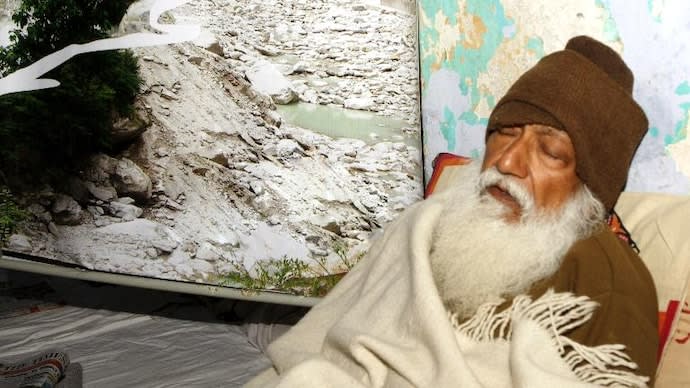
Why Did He Begin the Hunger Strike?On June 22, 2018, Swami Sanand began an indefinite fast at Matri Sadan Ashram in Haridwar. His protest was directed against the construction of hydropower projects and other activities that, according to him, were damaging the Ganga's natural ecosystem. His key demands included:
- Stopping new hydroelectric projects on the Ganga and its tributaries.
- Maintaining the river's uninterrupted natural flow.
- Enacting a strong law to protect the Ganga.
- Controlling activities such as excessive sand mining that harmed the river.
The 111-Day FastAs the days passed, Professor Agarwal refused food while continuing his peaceful protest. His health gradually deteriorated, but he remained firm in his demands. During the later stages of the fast, he also stopped taking medicines and eventually refused water orally.Doctors repeatedly warned that his condition had become critical, yet he chose to continue the protest, saying that protecting the Ganga was more important than his own life.
His DeathOn October 11, 2018, after fasting for 111 days, Swami Gyan Swaroop Sanand died at AIIMS Rishikesh at the age of 86. His death triggered widespread reactions from environmentalists, scientists, religious leaders and opposition parties, many of whom questioned why the government had failed to address his concerns before his condition became irreversible. The Centre expressed condolences and reiterated its commitment to cleaning and conserving the Ganga under the Namami Gange programme.
His Earlier VictoriesThe 2018 fast was not his first environmental campaign. In 2009, another hunger strike led by him played an important role in the suspension of the proposed Loharinag Pala hydropower project on the Bhagirathi River, demonstrating that peaceful protests could influence environmental policy. Throughout his life, he consistently argued that the Ganga should be treated as a living river rather than merely a source of water or electricity.
Why Is He Being Remembered Today?Nearly eight years after his death, Professor G.D. Agarwal's struggle has returned to public discussion as Sonam Wangchuk's hunger strike has renewed conversations about non-violent protests and environmental protection.Many people have drawn parallels between the two movements, noting how both relied on peaceful resistance to raise concerns over issues they believed were vital for the country's future. While the causes and demands differ, both protests have highlighted the power of non-violent action in drawing national attention to environmental and public policy issues.
A Legacy That Lives On: For many environmentalists, Swami Gyan Swaroop Sanand's greatest contribution was not only his scientific expertise but also his unwavering commitment to protecting one of India's most sacred rivers.His 111-day fast remains a powerful reminder of the sacrifices some individuals are willing to make for environmental conservation. Whether one agrees with his methods or not, his campaign continues to be remembered as a significant chapter in India's environmental movement and an enduring symbol of dedication to the cause of saving the Ganga.